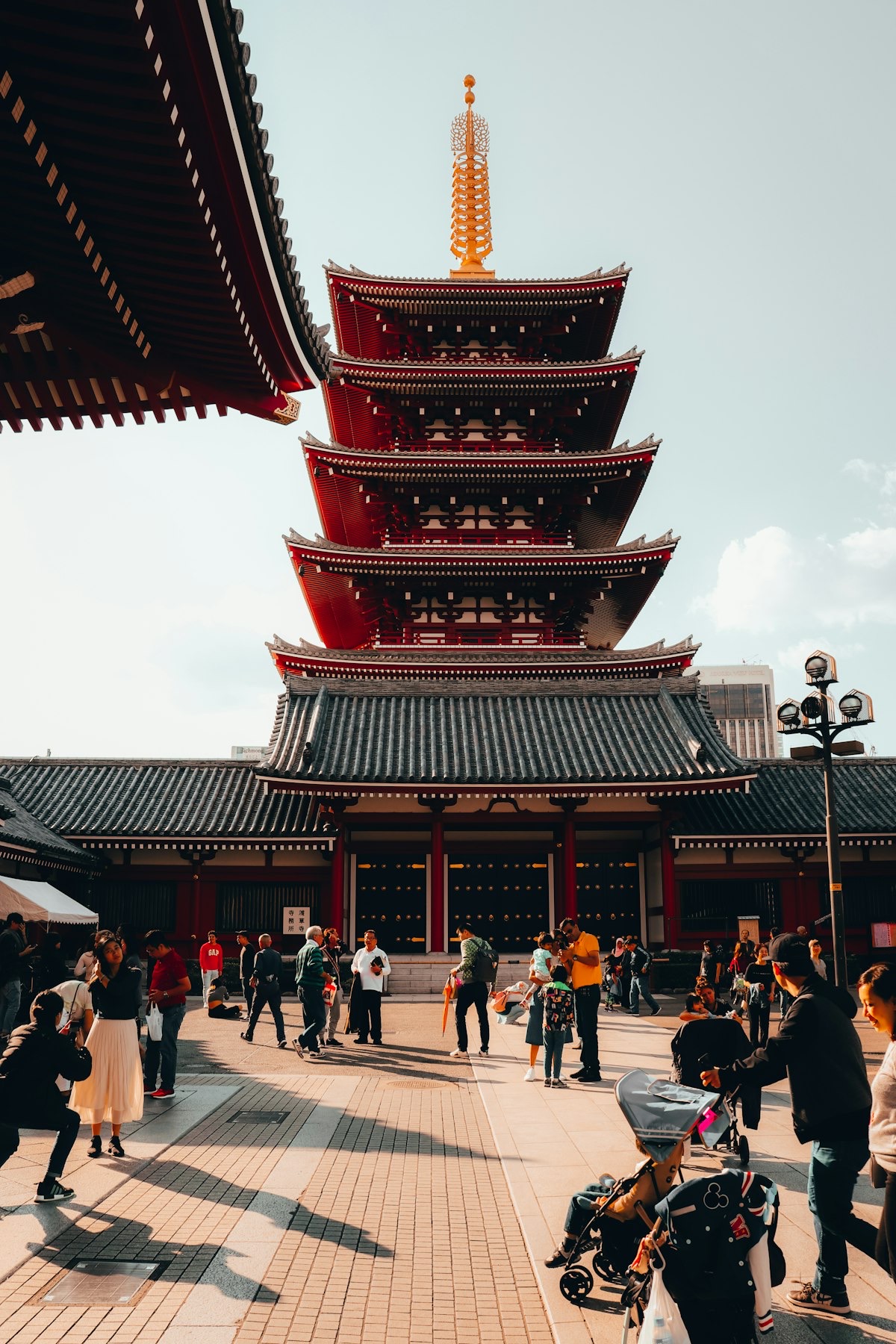
Tokyo is the most organized sensory overload on earth. Thirty-seven million people, trains that apologize for being one minute early, and the best meal of your life hiding behind a door you would never think to open. Here is how to arrive like you have been before.
1. Accept that you cannot see it all
Tokyo is not a checklist city, it is a neighborhood city. The first-timer mistake is trying to see everything and experiencing nothing. Pick two or three neighborhoods per day, at most: the electric chaos of Shibuya and Shinjuku, the polished calm of Ginza, old Tokyo in Asakusa and Yanaka, and the quiet cool of Nakameguro and Daikanyama. Let each one have its own morning or evening.
2. The trains are your friend, once you know the rules
The metro map looks like a bowl of rainbow noodles. It is actually the most reliable transit system in the world. Three things make it painless:
- Add a Suica or Pasmo card to your phone wallet before you land. Tap in, tap out, done. It also pays at convenience stores and vending machines.
- Ride like a local: no phone calls, no loud conversations, no eating on board. Tokyo trains are libraries on wheels.
- Avoid rush hour (roughly 7:30 to 9:00 in the morning) with luggage. Your suitcase does not have a ticket, and it will make enemies.
3. Carry cash. Yes, still.
Tokyo runs further on cash than any city this modern has a right to. Many small restaurants, shrines, and markets are cash-only. Withdraw yen from 7-Eleven ATMs, which reliably accept foreign cards, and keep coins for vending machines and temple offerings. A small coin purse stops feeling silly by day two.
4. Reservations are a sport, and the season opens early
The Tokyo you dream about, the omakase counter, the nine-seat tempura bar, the view table in Shinjuku, does not take walk-ins. The famous counters release seats one to three months out, often through hotel concierges or booking services, and they vanish in minutes. This is where planning ahead, or having someone plan for you, decides what your trip tastes like.
5. Learn five words, earn a hundred smiles
Nobody expects you to speak Japanese. Everybody notices when you try. Konnichiwa (hello), arigatou gozaimasu (thank you), sumimasen (excuse me, also sorry, also "may I get your attention," the most useful word in Japan), oishii (delicious), and onegaishimasu (please). Deliver any of them with a small nod and doors open.
6. Do not tip. Really.
There is no tipping in Japan, not at restaurants, not in taxis, not at the hotel. Attempting it creates a polite, slow-motion standoff that you will lose. Excellent service is simply the standard. Say thank you, bow slightly, and let it be wonderful and free.
7. The convenience store is part of the itinerary
Please trust this one: 7-Eleven, Lawson, and FamilyMart in Japan are nothing like their cousins abroad. Egg salad sandwiches with a cult following, onigiri, hot coffee, perfect snacks at 2 a.m. when jet lag wins. Some of your favorite small memories will happen under fluorescent lighting, and that is part of Tokyo's charm.
8. Build in one planned nothing
Jet lag from the West is real: you will be wide awake at 5 a.m. and fading by dinner for the first two days. Use it. Early mornings are Tokyo at its most beautiful: Senso-ji before the crowds, the fish market for breakfast, quiet shrine gardens. Then leave one afternoon completely unplanned. Tokyo's best moments are the alleys you wander into, not the ones you scheduled.
9. Timing matters more than almost anywhere
Late March to early April is cherry blossom season, breathtaking and booked out months ahead. November wraps the city in autumn reds. June brings rain, and August brings heat that means business. Whatever season you choose, Tokyo hotel inventory is tight year-round: the city rewards early planners more than any destination we design.
Tokyo is not hard. It is precise. Meet it with a little preparation and it will hand you the most effortless big city trip of your life, along with an egg salad sandwich you will still be thinking about in five years.